Anya Kai, reporting
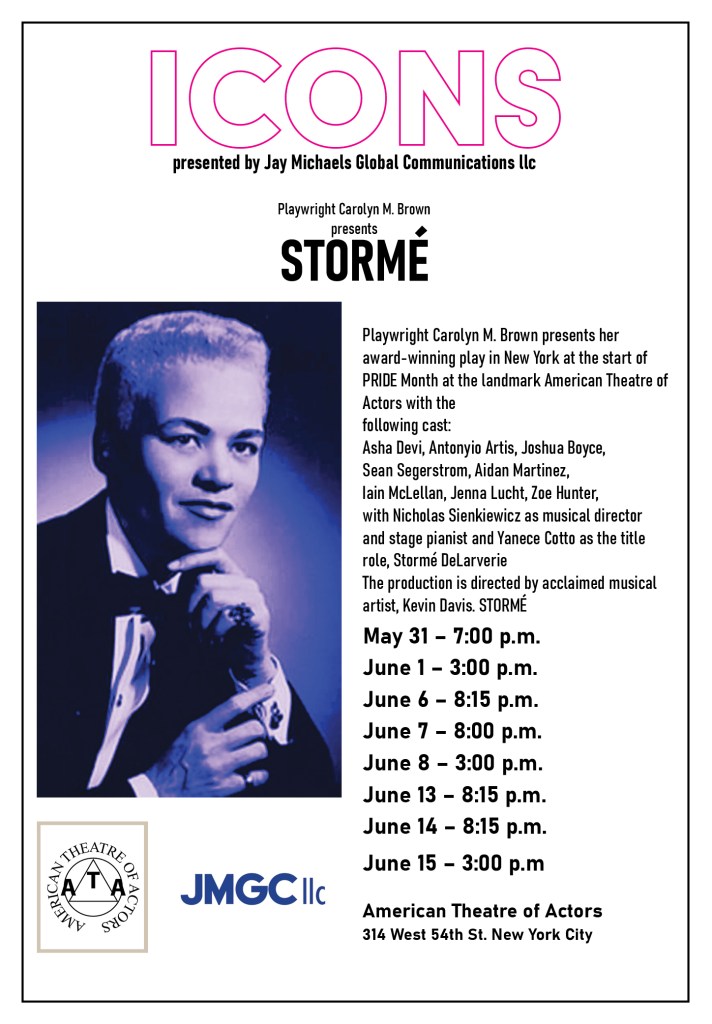
The vibrant tapestry of New York City theatre is woven with threads from diverse backgrounds and experiences. Currently gracing the stage of the American Theatre of Actors in Carolyn M. Brown’s “Stormé,” part of the “ICONS” repertory, is Iain McLellan, a Brooklyn-based actor whose journey to the arts is as compelling as the stories he helps to tell. McLellan, who embodies the character of Skull in this powerful play about the Stonewall uprising, brings a unique depth and perspective informed by a previous career far removed from the theatrical realm: emergency response with the United Nations.
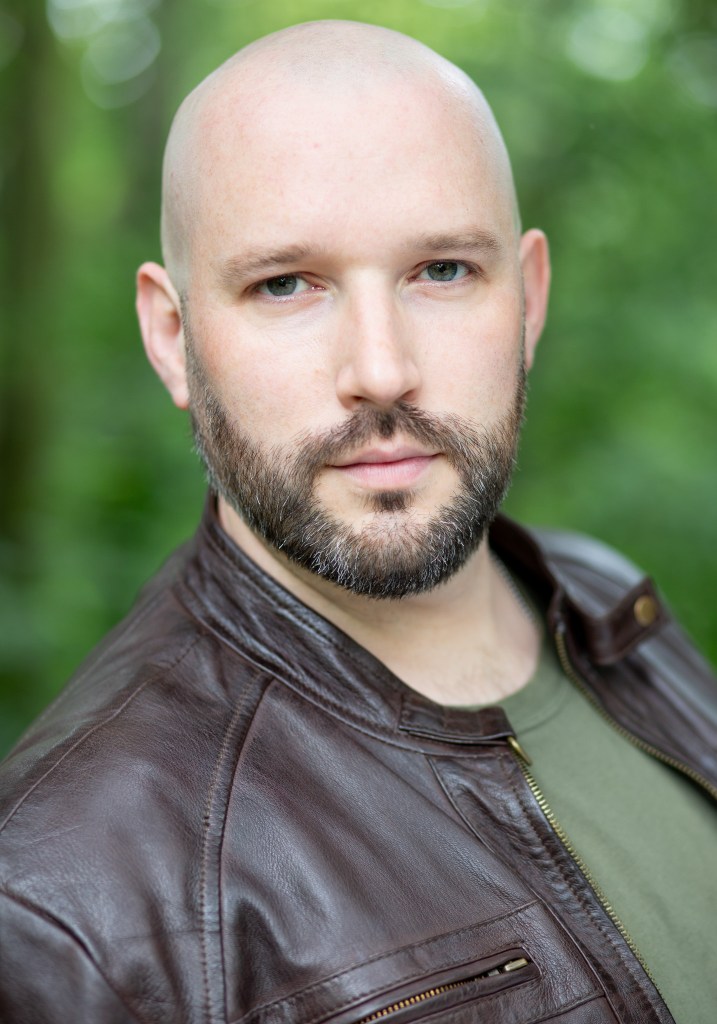
McLellan’s theatrical roots are firmly planted in both the classical and contemporary. Adept in Shakespeare, he has graced off-Broadway in “Henry V” and regional stages in iconic roles in “Hamlet” and “The Tempest.” His more recent contemporary credits showcase a versatility in tackling diverse narratives, including productions at notable off-off-Broadway venues like the Chain Theatre, Vino Theater, and The Tank. This range suggests an actor comfortable navigating complex characters and engaging with narratives that resonate with different historical periods and social contexts.
What makes McLellan’s presence in “Stormé” particularly intriguing is his former career. Spending years as an emergency response specialist with the United Nations, working in regions facing profound crises like South Sudan, Kenya, Somalia, Yemen, Djibouti, and Bangladesh, has undoubtedly shaped his understanding of human resilience, conflict, and the urgent need for social change. This global perspective now informs his work on a play that depicts a pivotal moment in the fight for LGBTQ+ rights.
McLellan’s attraction to “Stormé” stems from a desire to explore and platform the often-overlooked aspects of collective gay history. He sees his involvement not just as a performance, but as a “practical way to be active in our community and in theatre,” highlighting a commitment to using his craft for meaningful engagement.
A significant takeaway for McLellan from his work on “Stormé” has been a broadened understanding of queer history. He candidly admits that his previous knowledge was largely centered on the experiences of gay men who shared his racial identity. He appreciates the opportunity this play provides to learn about the crucial roles played by other gay and queer people of color within the movement, recognizing Stormé’s story as an essential “piece of the puzzle” in a history from which there is still much to uncover.
In “Stormé,” McLellan takes on the challenging role of Skull, an antagonist described as a “white supremacist capitalist.” He acknowledges the inherent discomfort in portraying such a figure but understands its necessity in accurately reflecting the historical realities that Stormé and the Stonewall protestors bravely confronted. This willingness to inhabit an unsympathetic character demonstrates a commitment to the play’s truth and its exploration of the systemic oppression that fueled the uprising. Through this experience, McLellan has gained a deeper appreciation for the vital importance of “community and collaboration.”
McLellan feels a profound sense of responsibility in presenting “Stormé,” particularly in conveying the difficult and uncomfortable nature of societal change. He emphasizes the need to clearly illustrate “how and why” individuals like Stormé stood up to challenge deeply ingrained norms. This suggests that his portrayal of Skull, while antagonistic, will serve to underscore the significance of Stormé’s defiance and the broader struggle for equality.
When asked about the play’s target audience, McLellan’s succinct answer, “New Yorkers,” speaks volumes. Given the play’s setting in the heart of New York City and its depiction of a watershed moment that occurred within its streets, this response highlights the local resonance and historical significance of “Stormé” for its immediate community.
Looking ahead, McLellan’s aspiration for “More New Works!” aligns with his engagement in “Stormé” and suggests a continued passion for contributing to the creation and presentation of contemporary and historically relevant narratives on stage.
Iain McLellan’s journey from the front lines of global crises to the stage of a New York City theatre brings a unique depth and gravitas to his role in “Stormé.” His commitment to exploring underrepresented histories, his willingness to embody challenging characters, and his understanding of the importance of community and collaboration make his contribution to this production a noteworthy one. As Skull, he serves not just as an antagonist, but as a crucial element in illuminating the societal forces that Stormé DeLarverie and the Stonewall generation fought against, offering audiences a powerful and necessary reminder of a pivotal moment in the ongoing struggle for LGBTQ+ equality.
 OUTER-STAGE