In the fall of 2014, an article was published that set out to talk about how universities respond (or fail to respond) to allegations of sexual assault on campus. The article focused on the story of a young woman who claimed to have been gang raped at a fraternity house during her first semester in 2012. Shortly after the article was published, inconsistencies were found in the woman’s story. As her version of events started to seem less credible and certain facts became difficult or impossible to verify, the magazine issued a retraction of the article. Over the next couple of years, they were taken to court by and made settlements with the fraternity named in the article and the associate dean who handled the young woman’s case when she reported her assault and who received death threats based on how the article portrayed her as prioritizing the school’s reputation.
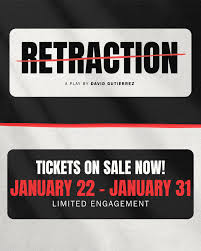
Those are the basic facts of the story. David Gutierrez’s play Retraction, in performances at the Sheen Center, tells a fictionalized version of these events, as successful reporter Wendy Cohen (Renata Friedman) is writing about sexual assault on college campuses and goes to Carolina Atlantic as the school has a Title IX investigation open against it. She talks to multiple students there, but is especially taken by the story of a student named Lacey (Rachel Resheff), whose date brought her to his frat house where she was attacked by a group of men while he watched. Despite the fact this is so unusual for what usually constitutes campus sexual assault, Wendy feels it is the kind of story that will bring the kind of attention needed to make real change and makes it her focal point. She is not able to contact any of the alleged perpetrators, or the friends that Lacey went to for help the night of the attack, but she finds Lacey credible and is worried about the risk of retraumatizing her if she pushes too hard. So the article is published.
After publication, inconsistencies in Lacey’s story are brought to light. The version of events she told in the article doesn’t match what she told her friends happened that night. The associate dean and her friends all dispute that they never said things she said they did (like reasons she shouldn’t report the incident) and the fraternity said no event was hosted at the house the night in question. She even told her friends and the student advocate she connected with after the attack two different names for her date that night.
Nobody says it’s impossible Lacey was attacked that night, trauma can have a severe impact on memory after all. Something horrible might still have happened to her that she needed help with after. But it’s clear that there’s no way to ascertain the specific details of what happened.
Gutierrez’s script does a good job balancing talking about certain realities. Journalistic standards require thorough fact checking and ensuring that you can verify everything you publish. The ramifications of publishing something false can be devastating or dangerous. But when dealing with sensitive subjects like someone’s experience with sexual assault, it can become difficult to want to push or express doubt or ask questions for clarification. It also makes sure to emphasise one very important point – false accusations of rape are extremely rare. The greatest risk of stories like this
is spreading the impression that women make up stories frequently for whatever reason, something that has done tremendous harm to survivors, but the reason things happened with the article the way they did is because of Wendy doing what one should always do – listen to the victims and exercise care not to make things harder for them than absolutely necessary in the process of pursuing justice. Though the play does drive the point home with a somewhat overly-pointed address to the audience at the end, making sure to remain firmly on the side of real life victims is important.
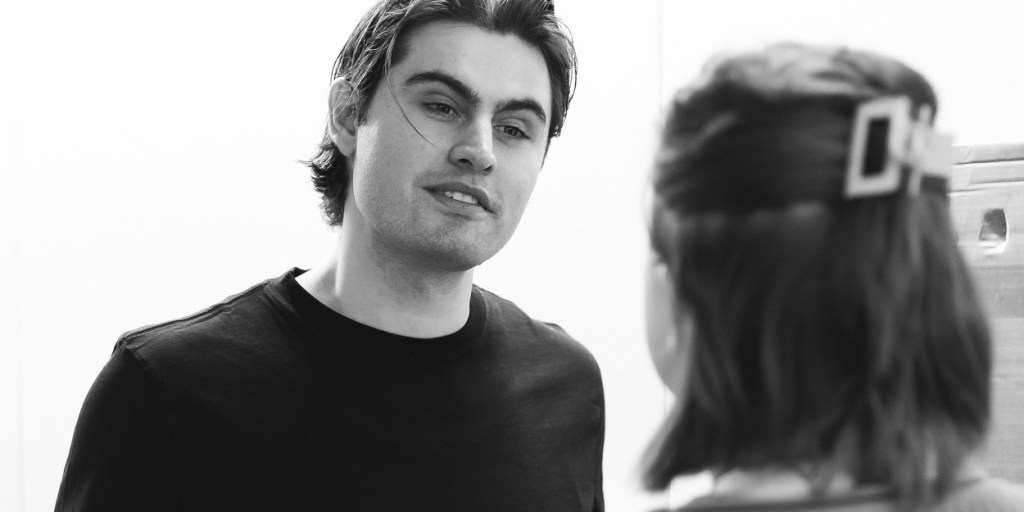
The ensemble cast does a fantastic job and most importantly they, the script, and director Caroline Fairweather do a great job of avoiding any sense of judgment, allowing the audience to come to their own conclusions. Friedman showcases Wendy’s intent, her care, and her guilt delicately. The ensemble fluidly fills in an ensemble of reporters, students, and other characters with ease. There is somewhat less fluidity in the technical transitions; the lighting by Adrien Yuen, sound by Katie Reif, set by Julian van Haubrich, and costumes by Michelle Ridley all create great pictures on stage. The cool lighting evoked a feeling of a formal interview like the depositions Wendy and her editors would face, and do a great job shaping the space into different areas. The costumes are great and use quick changes to distinguish characters effectively. But the transitions, while quick, feel weirdly quiet as we watch cast members move tables and chairs, some of the light shifts feel a bit jarring, and occasionally there were moments the performers felt a bit too shadowy.
Retraction knows it’s tackling a difficult subject, and it treats that subject with care and respect. There are a few times it doesn’t get things exactly perfect, but the story it tells is compelling. It asks important questions about ethics and how we can effectively continue to create safe spaces for young women on campuses and how we can safely tell their stories in a way that allows for healing.
 OUTER-STAGE